Table Of Content
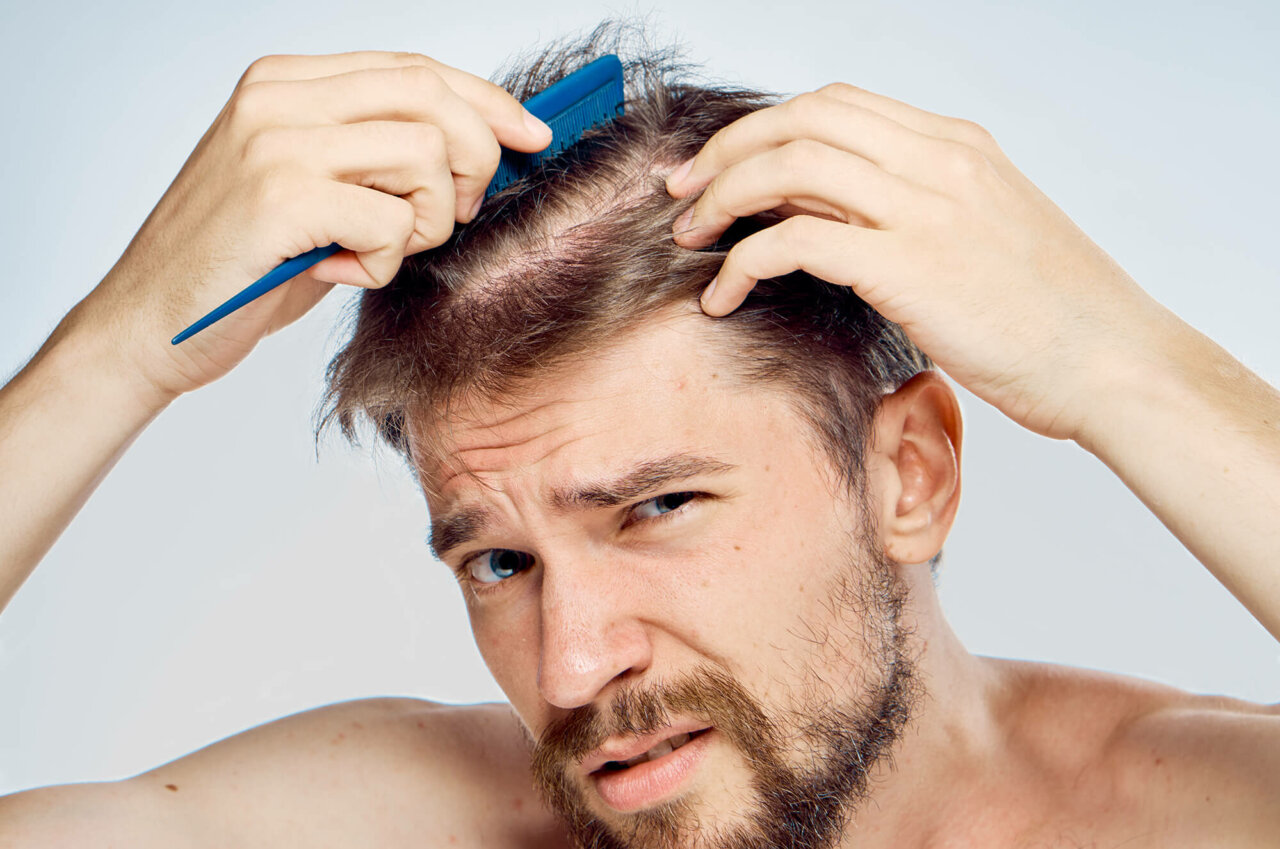
If your hair loss is caused by an underlying disease, treatment for that disease will be necessary. If a certain medication is causing the hair loss, your doctor may advise you to stop using it for a few months. Research indicates that this method may serve as a safe and efficient treatment for hair loss. PRP includes extracting a small portion of your blood, processing it in a machine to separate its the plasma, and injecting the plasma portion into the affected scalp area.
Ask a doctor about supplementing with iron and zinc
Malnutrition, low protein levels, and vitamin deficiencies can increase the risk of hair loss. Hair loss can also result from genetic factors, nutrient deficiencies, stress, and several health conditions. Treatment for thinning hair will depend on its cause, but may include medications, dietary changes, and more. Products like shampoos and serums can be used in conjunction with oral medication and various dermatology treatments, like platelet-rich plasma injections (PRP) or prescription-only laser caps.
What are some tips for dealing with hair loss?
It’s important to understand that not everyone who used a laser saw regrowth. Should you see regrowth, you will need to keep using it every day. To use minoxidil, you apply it to the scalp as directed, usually once or twice a day. Your dermatologist can tell you whether your hair may start to grow again on its own. If you want to diminish a noticeable scar, know these 10 things before having laser treatment. To use onion juice, blend a few onions and squeeze out the juice.
Do hair growth serums really work?
This medication stops your body from making the hormone at the root of male pattern baldness, DHT (dihydrotestosterone). In the most common type of permanent hair loss, only the top of the head is affected. Hair transplant, or restoration surgery, can make the most of the hair you have left. Generally speaking, the sooner you start treatment, the more options you have and the better your results, dermatologists say. Once you have thoroughly dried your hair, Ahram recommends sleeping on a silk pillowcase. "Use silk pillowcases to decrease friction on the hair while sleeping to protect the hair strands as well," she says.


Dr. Hadley King is a board-certified dermatologist in New York City who specializes in medical and cosmetic dermatology. You'll soon start receiving the latest Mayo Clinic health information you requested in your inbox. Surgical procedures to treat baldness are not usually covered by insurance.
Researchers also believe that smoking can disrupt the growth cycle of your hair and even lead to color loss. Consider the following 12 options, but be sure to talk with your doctor first. Thinning hair may be caused by lifestyle habits, genetics, or both.
Former Executive Editor, Harvard Women's Health Watch
“Apply the serum to a small spot on the scalp for a few days to ensure that there is no irritation before applying it more broadly,” says Dr. Mirmirani. “A measured approach is best.” To that end, get comfortable with the fact that you’ll need to be both consistent and patient in your usage, as the results can take time. You may need to use more product than you’re used to for a good lather with this shampoo.
Frequently asked questions about hair loss treatments
Does rosemary oil for hair growth really work? We asked 3 dermatologists to find out - CNN Underscored
Does rosemary oil for hair growth really work? We asked 3 dermatologists to find out.
Posted: Thu, 11 Jan 2024 08:00:00 GMT [source]
If you’d like to try this medication for hair loss, a doctor or pharmacist can offer more guidance on whether it could work for you. It’s always a good idea to talk to your doctor about hair loss, since they can help identify any medical conditions contributing to hair loss and recommend the right treatment. Friction-induced folliculitis might require nothing more than laying off the hairstyling practice that triggered it until you’re fully healed.
"I do not recommend biotin as it has not been shown to help with hair growth and can alter your lab results, such as thyroid labs, leading to false diagnoses." Thinning hair can be caused by a variety of factors, including stress or hormonal issues. There are a number of things you can do to treat thinning hair, such as changing your hairstyle, using gentle hair products, and eating more protein and omega-3s. Meanwhile, “the goal of a serum is to target the hair follicle directly by delivering compounds that may allow for improved or optimal hair growth,” says Dr. Mirmirani. These ingredients are those that aren’t typically found in the diet, such as minoxidil and plant-based compounds.
Understanding these factors is important to getting an effective treatment. Seek medical advice based on your symptoms and causes to address thinning hair effectively and regain hair health. Hormonal fluctuations during menopause, pregnancy, or conditions like polycystic ovary syndrome (PCOS) can also contribute to hair thinning.
If your blood test reveals that you’re not getting enough biotin, iron, or zinc, your dermatologist may recommend taking a supplement. If you’re not getting enough protein, your dermatologist can tell you how to boost your intake. It’s essential that you not become pregnant while taking spironolactone. To prevent pregnancy, your dermatologist will also prescribe a birth control pill if it’s possible for you to get pregnant. While at-home treatments offer convenience, a procedure performed by a board-certified dermatologist tends to be more effective. For this reason, your dermatologist may include one of the following in your treatment plan.
Be patient—it can take several weeks of consistent use to start seeing a difference, and your results will depend on the specific cause of your hair loss. If over-the-counter products don’t work for you, consult a trichologist or dermatologist to get a personalized diagnosis and explore treatment options. It may help with hair loss from alopecia areata because the needles inserted into your scalp may help stimulate hair follicles and promote regrowth. The No. 1 reason why both men and women experience excessive hair thinning and hair loss is hereditary. For men, it’s a more well-known phenomenon called male-pattern baldness, but women can also exhibit female-pattern baldness.


No comments:
Post a Comment